
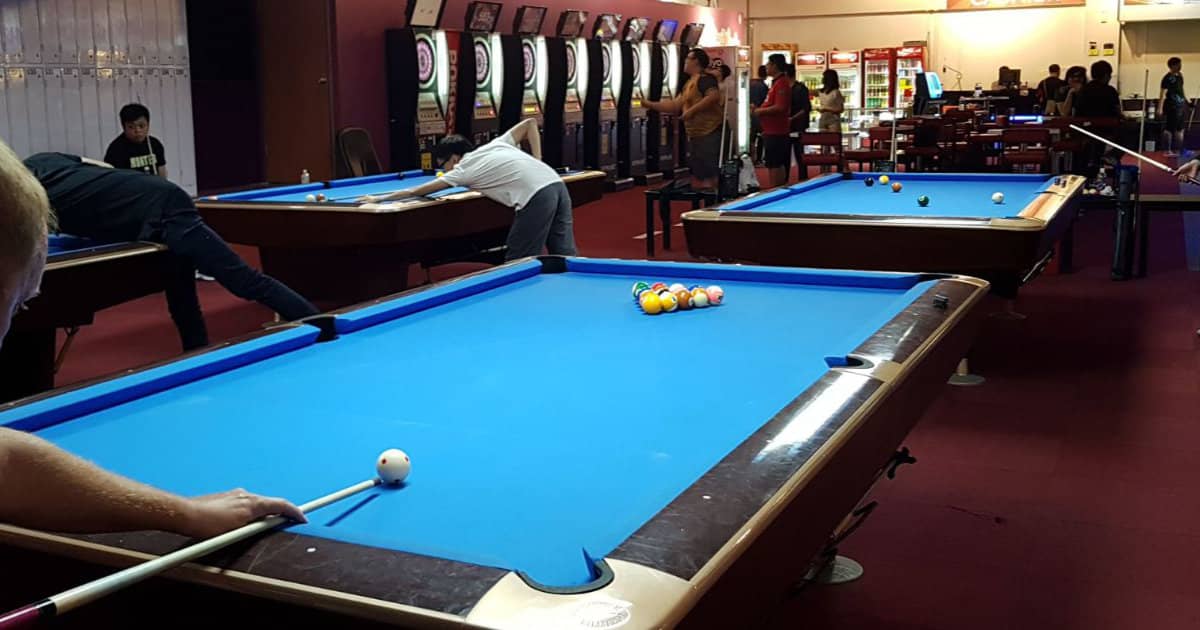
The big idea: tables bring people in
This guide is based on testimonials from US pool hall owners and US industry pricing (2025–2026, in US dollars). Rents, prices and rules vary a lot by city and country.
Ask experienced owners what keeps a pool hall open and most give the same answer. The tables bring people through the door. The bar and the kitchen pay the rent.
That sounds odd for a business built around pool, but it comes down to floor space. A 9-ft table needs room for players to take a full stroke on every side. Once you add seating and walkways, each table uses roughly 300 to 350 sq ft (about 28 to 33 m²). A bar or restaurant can fit far more paying guests into that same area.
So the rooms that last treat pool as the reason to come and stay, and they build everything else around that. Players who stay longer order another round, get hungry, play the jukebox and come back next week with friends. Your job is to make the room a place people want to spend the evening.
The room is a hospitality business first. Good service, clean tables, the right music level and staff who know how a pool room works matter as much as the cloth.
People search PoolTrips for a place to play tonight. Claim your venue to show your tables, hours, photos and food, so they choose your room.
Is a pool hall profitable?
A pool hall can be profitable, and many rooms have run for decades. The honest answer is that profit rarely comes from table time alone. Owners describe the same pattern again and again: the rooms doing well earn most of their margin at the bar and in the kitchen, with pool as the draw.
The figures below are what US owners report, in US dollars. Use them as a starting point and check them against rents and prices in your own area.
Here is why. If you have 9 tables at $9 to $10 an hour and every one is busy, tables bring in about $81 to $90 an hour. Over a five-hour Friday peak that is roughly $405 to $450. A bar of the same size, full of people, can take many times that. Alcohol often carries a 70% to 80% gross margin, so the bar does most of the heavy lifting.
Owners also stress a few conditions. Rent has to stay under control. The owner usually needs to be in the room, especially in the first years. And the budget needs a cushion for slow months and for equipment that wears out.
General information, not legal or financial advice. Costs, taxes, liquor rules and lease terms differ by state and country, so check your plan with a local accountant and lawyer.
The four money levers
Every pool hall business plan comes back to four levers. Getting them to work together matters more than pushing any single one.
- Space. How many tables fit with proper spacing, and how much room is left for the bar, kitchen and seating. See space and layout.
- Table pricing. Per table or per person, daytime specials, memberships. See how much to charge for pool.
- Bar and food. The main source of margin in most rooms. In some well-run rooms, food reaches 40% to 45% of sales. See how pool halls make money.
- Extras. Digital jukeboxes, darts, arcade games, a small pro shop, cue repair and cue lockers add income without much floor space.
Where a pool hall's money comes from
Why pool halls struggle
When a well-liked room closes, it is rarely because nobody wanted to play. Owners who have been through it point to a handful of pressures that build up over time. Knowing them early gives you a chance to plan around them.
Five common pressures on a pool hall
- High rentTables need a lot of floor space, so rent is usually the biggest fixed cost.
- Table time aloneEven a full room earns a capped amount per hour from tables alone.
- Absentee ownershipStandards and sales tend to slip when the owner is rarely in the room.
- Equipment upkeepCloth, balls and cushions wear fast under daily play in a busy room.
- Seasonal dipsMany rooms slow down in August and September as school and weather shift.
The good news is that each pressure has a known response. Negotiate a lease with stable, capped rent. Build the bar and food side so you are never relying on table time alone. Be present, especially in the first years. Budget for re-clothing and keep a daily cleaning routine. Plan leagues, events and promotions for the slower months.
When the room slows down, Promote puts your venue above non-promoted venues in every PoolTrips search it appears in. Jump ahead of the local competition. $29 a month, cancel anytime.
Key numbers at a glance
These are the figures owners and suppliers quote most often. They give you a sense of scale before you dig into the detailed guides.
US owner testimonials and US supplier pricing, 2025–2026, in US dollars. Costs in your city or country may be quite different.
Guides for pool hall owners
Each guide goes deeper into one part of running a billiards business, with practical steps, calculators and printable sheets.
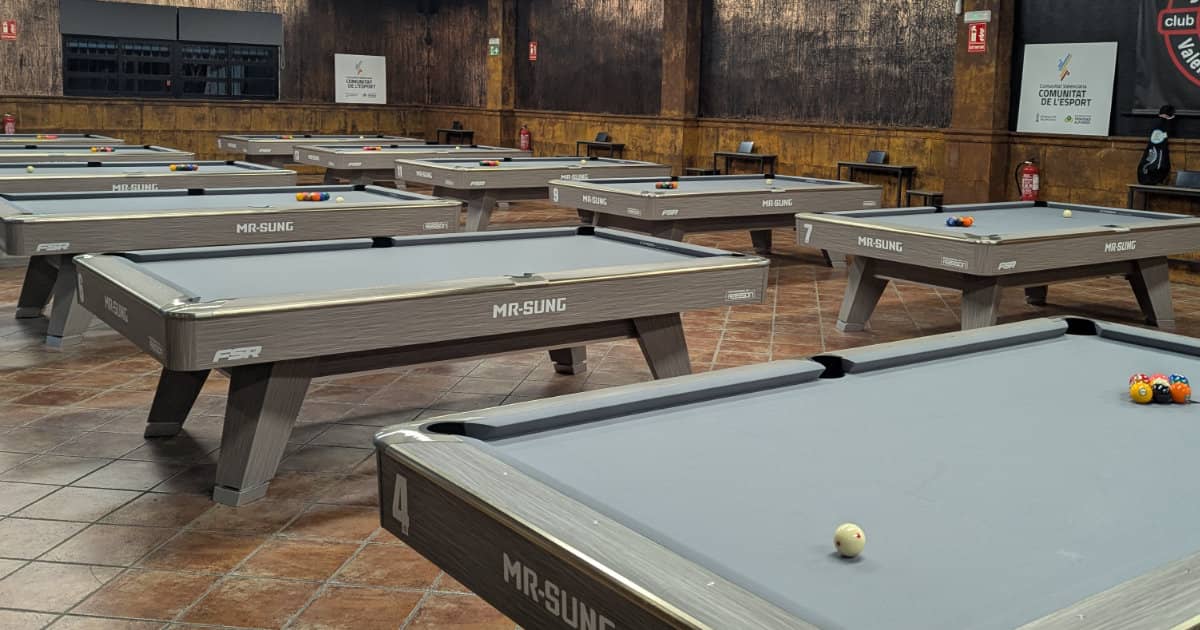
How to open a pool hall
Start-up costs by room size, an itemised budget and the opening timeline.
Read the guide →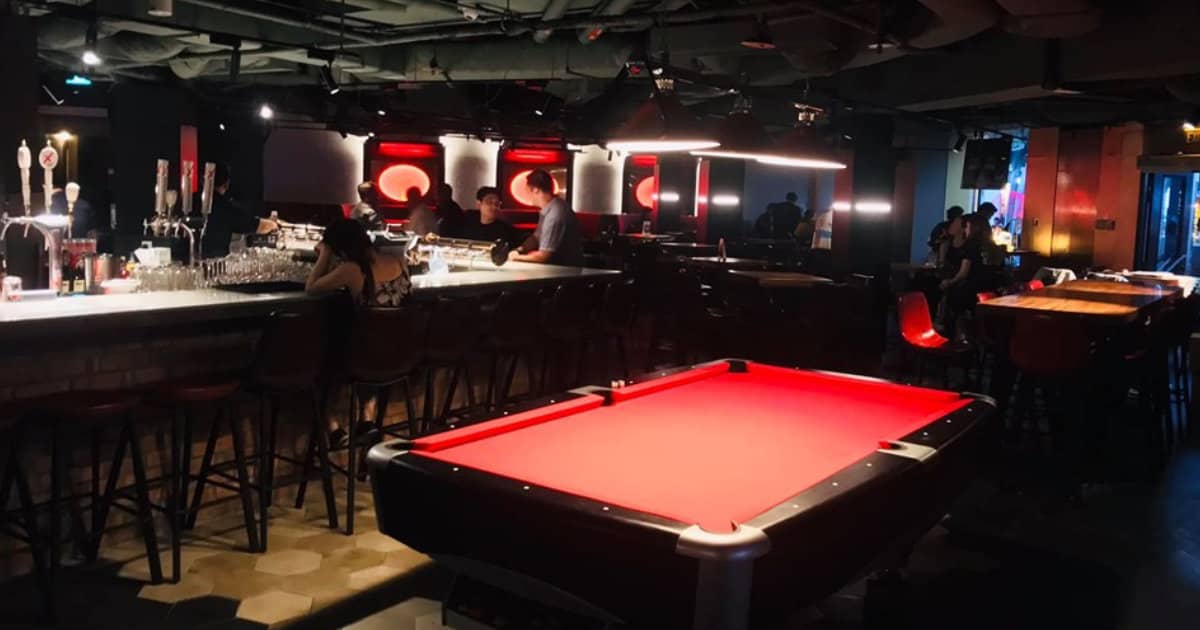
How pool halls make money
Bar, food, table time and the extras that add up.
Read the guide →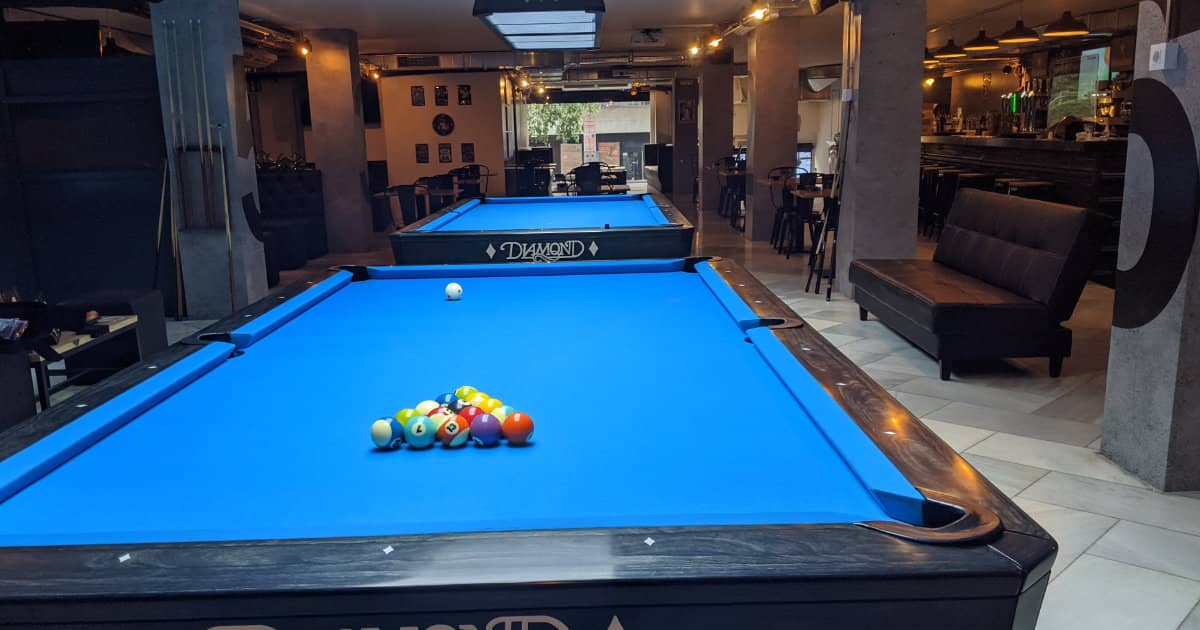
How much to charge for pool
Per table or per person, specials, memberships, plus a table-revenue calculator.
Read the guide →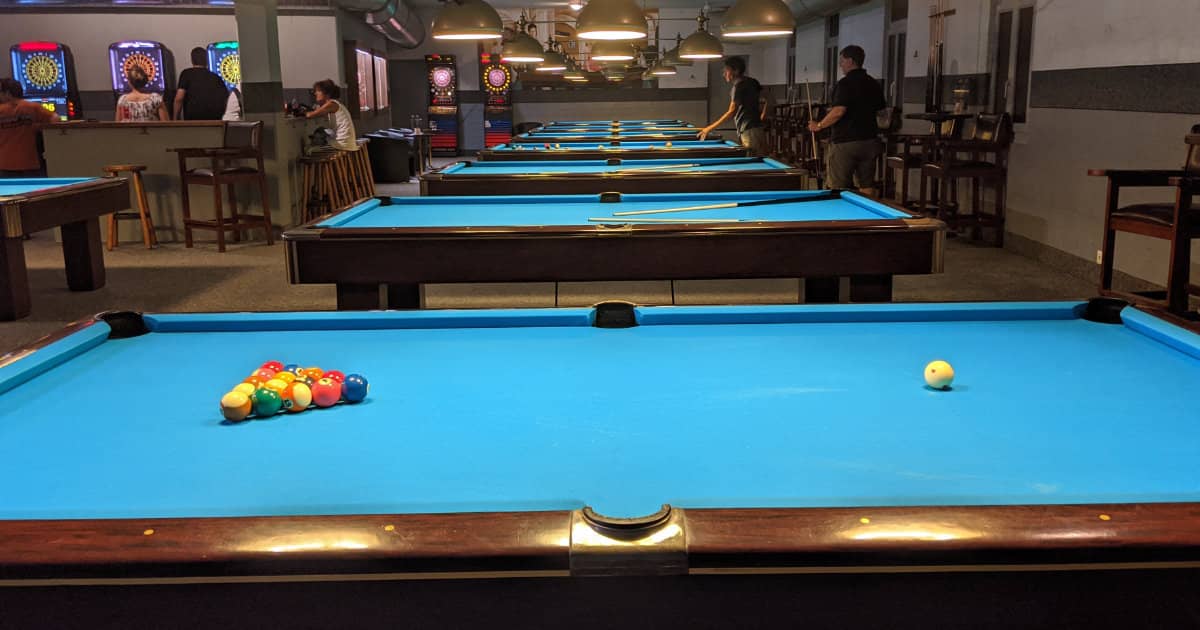
Pool hall space and layout
How many tables fit your room, with a capacity calculator.
Read the guide →
Hosting leagues and tournaments
Fill weeknights and weekends with league play and events.
Read the guide →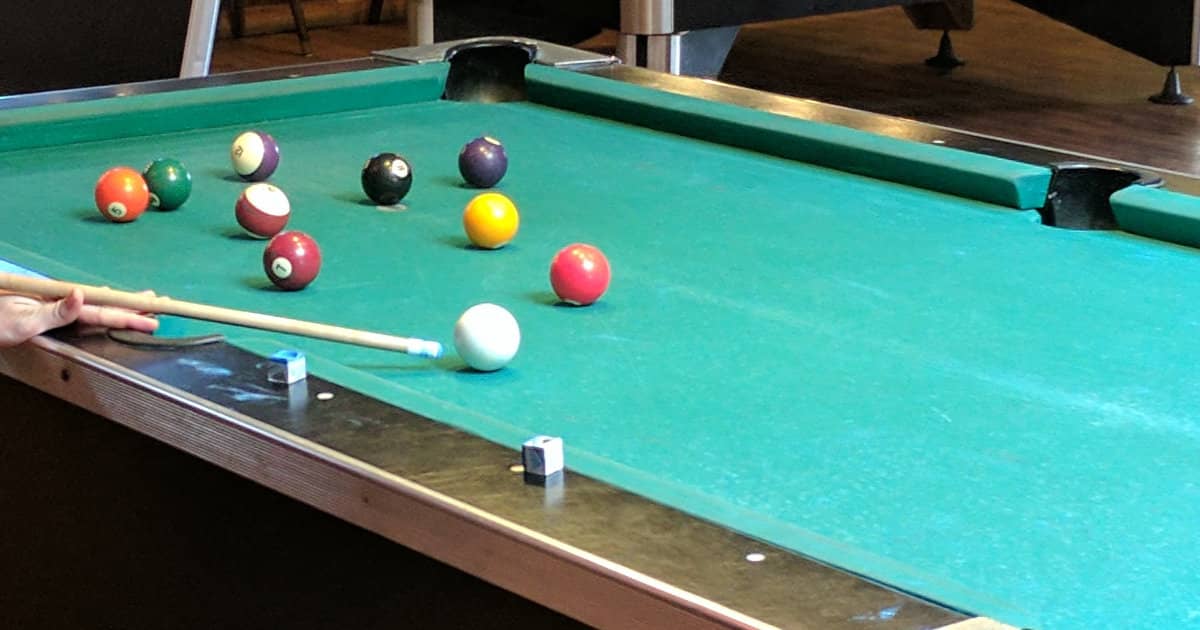
Table maintenance
Daily care, re-cloth timing and a budget calculator.
Read the guide →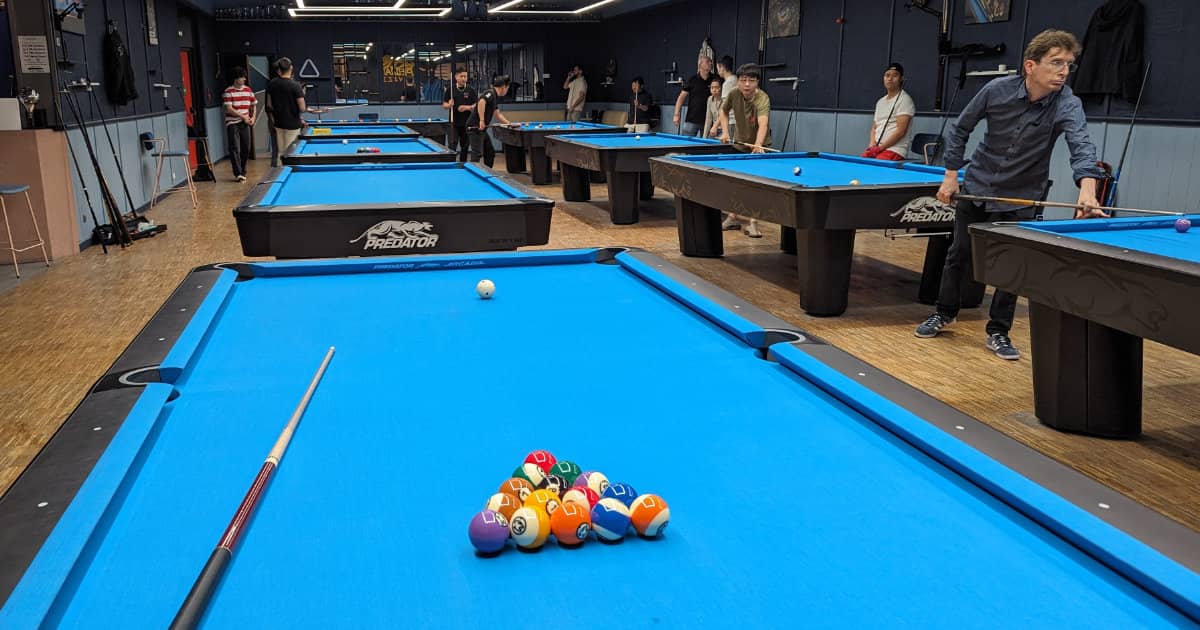
Running the room
Customers, staff and house rules that keep the room pleasant.
Read the guide →
POS and table-time software
Timers, light control and keeping every hour on the bill.
Read the guide →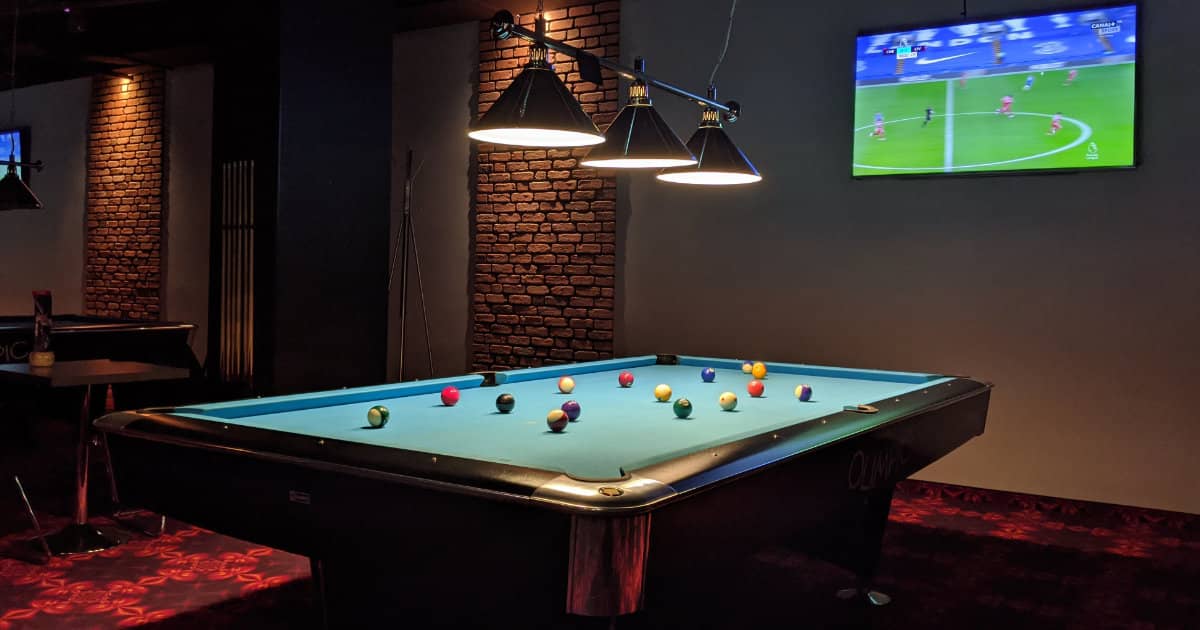
How to market your pool hall
Get found online and bring new players through the door.
Read the guide →Frequently asked questions
Is owning a pool hall profitable?
It can be. US owners say the profitable rooms earn most of their margin from the bar and food, with table time as the draw. Controlled rent, an owner who is present and a budget for slow months make the biggest difference.
How do pool halls make money?
From four sources: table time, the bar, food, and extras such as jukeboxes, darts, a pro shop, cue repair and cue lockers. In most rooms the bar carries the highest margin. Read how pool halls make money for the detail.
How much does a pool hall make per hour from tables?
As an example, 9 tables at $9 to $10 an hour bring in about $81 to $90 an hour when every table is busy. Most hours are not fully booked, which is why owners rely on bar and food sales as well.
How many hours does a pool hall owner work?
Many US owners report 80 to 100 hours a week during the first three years. Margins are usually too tight to hand the room to a manager straight away.
Why do pool halls close?
Owners most often mention rent that rises faster than income, relying on table time alone, an owner who is rarely on site, the cost of keeping tables in shape, and seasonal dips in late summer. See why pool halls struggle above.