
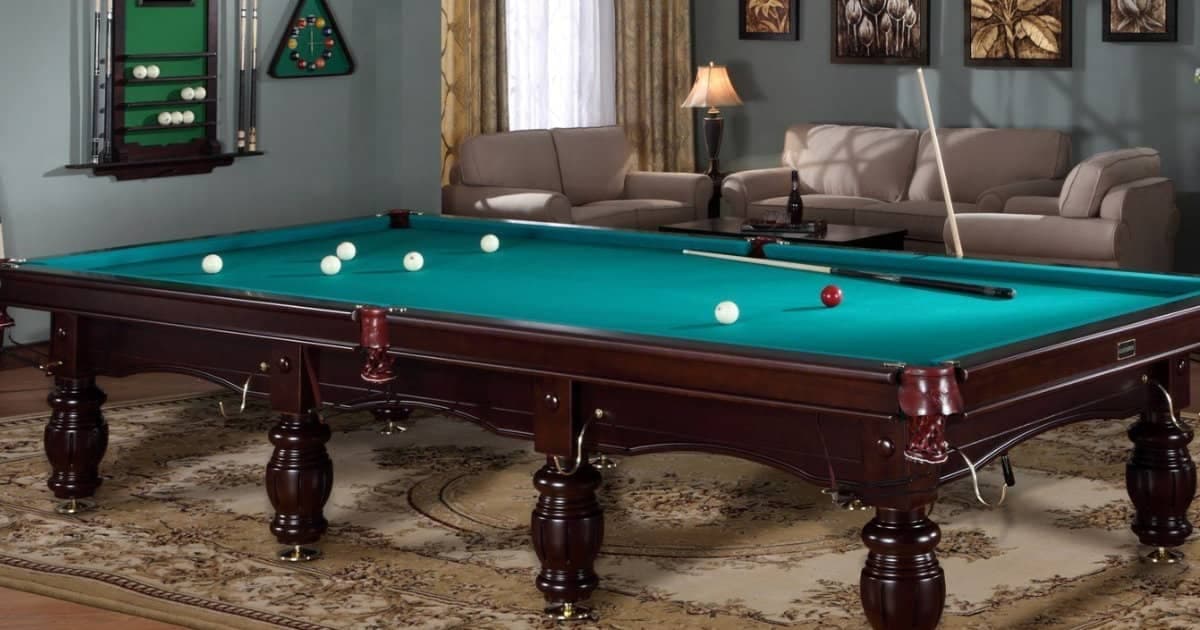
Russian pyramid at a glance
| Table sizes | 7, 8, 9, 10, 12 ft (12 ft for competition) |
| Playing surface (12 ft) | about 3.55 × 1.78 m |
| Pockets | 6, only a few millimetres wider than a ball |
| Balls | 15 numbered white balls + 1 coloured ball |
| Ball size | 68 mm |
| Main games | Free pyramid ("American"), Moscow (combined) pyramid, dynamic pyramid, Nevskaya |
| Governing bodies | National federations across Russia and the former Soviet countries |
How the game works
All pyramid games start with 15 white balls racked in a triangle. Players take turns to pot balls, and the first to reach 8 points (usually 8 balls) wins the frame. The variants mainly change which ball you're allowed to strike:
- Free pyramid (also called "American" in Russian): you can strike any ball with your cue and pot any other. The most popular game today, fast and attacking.
- Moscow (combined) pyramid: the cue ball is played with your cue, and after a pot you continue with the cue ball from wherever it stops (or, in some rules, from hand).
- Dynamic pyramid: a fast-paced competition format.
- Nevskaya pyramid: a traditional variant from St Petersburg.
Because the pockets are so tight, players often pot the cue ball itself (known as a svoyak) as a legal scoring shot, which is unusual in other cue sports.
The table
A competition Russian pyramid table is 12 feet long, about the size of a snooker table, but built heavier, with pockets only around 4–5 mm wider than the 68 mm balls. Smaller 7–10 ft tables are common in bars and homes.
A 12 ft table needs a room of about 7.1 × 5.3 m (23½ × 17½ ft) with standard cues and room for your backswing, and even more with the longer cues pyramid players often use. Compare all sizes in our table sizes & room size guide.
Equipment
- Cue: longer and heavier than a pool cue, often around 160 cm (63 in) and 700–750 g, with a 12–13 mm tip, to move the heavy balls.
- Balls: 68 mm and heavy, about 280–285 g each.
- Rest: commonly used for long shots.
Where Russian pyramid is played
Russian pyramid is played throughout Russia, Ukraine, Belarus, Kazakhstan, Kyrgyzstan, Uzbekistan, Moldova and the Baltic states, with clubs in most cities. You'll also find pyramid tables in communities and clubs across Europe, Israel and North America.
Competitions
National federations run championships and tours, and international events bring together players from across the region, including world championships in free and combined pyramid.
Famous players
Top players have come from Russia, Ukraine and Central Asia, with Kyrgyzstan and Kazakhstan producing several world champions. Among the greatest names of the sport are Evgeny Stalev and Diana Mironova.
A short history
Billiards arrived in Russia in the early 18th century under Peter the Great. Over time, Russian players developed their own tables and games, with bigger balls and tighter pockets, and the "pyramid" games became the national form of billiards by the 19th century.
Where to play Russian pyramid near you
We have 3 venues with Russian pyramid tables. Find one near you now.
Discover other table types
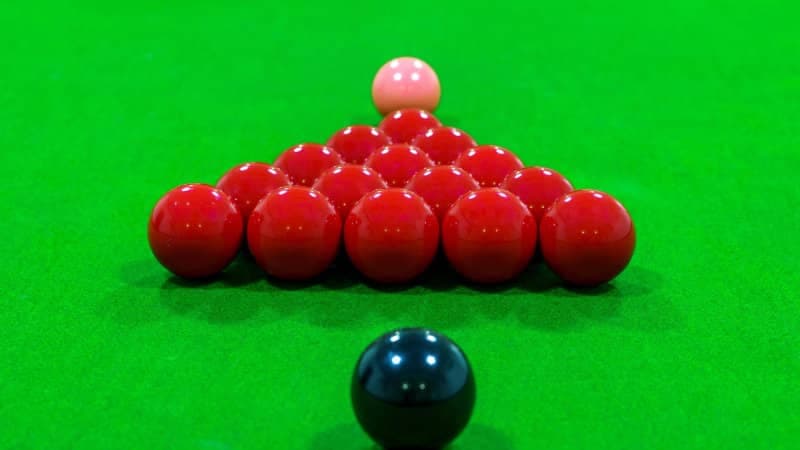 Snookeranother big table with tight pockets.
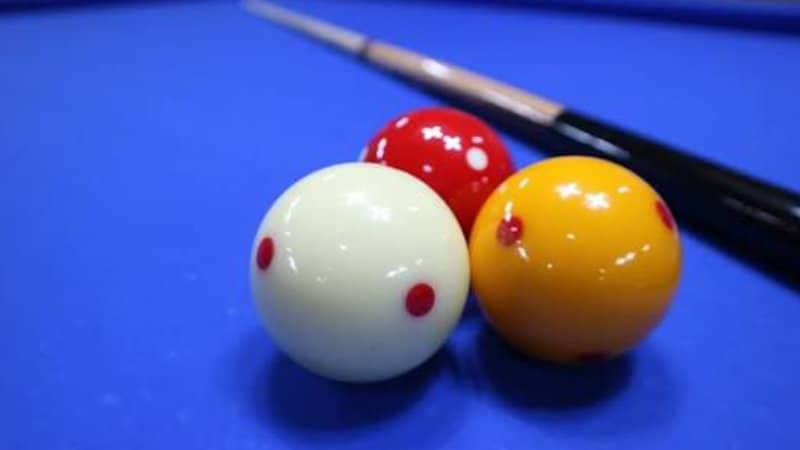 Carom billiardsno pockets, big balls.
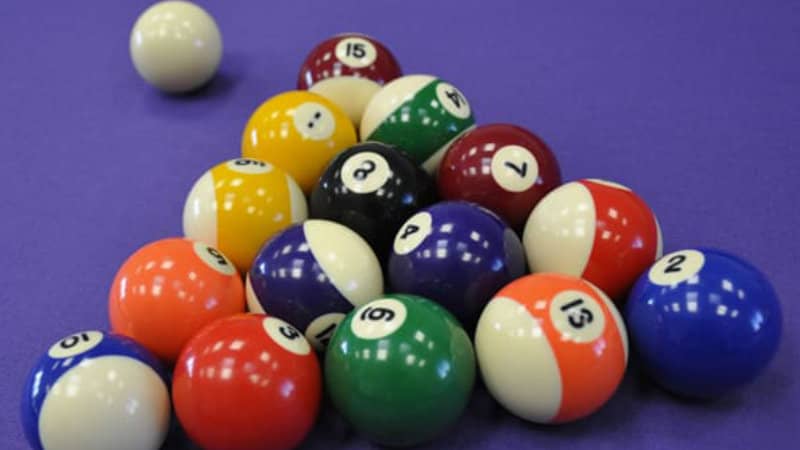 American poolthe opposite end of the scale, with generous pockets.
Frequently asked questions
Why are Russian pyramid pockets so small?
The game was designed that way: pockets only a few millimetres wider than the ball make every pot a test of accuracy.
What size are Russian pyramid balls?
68 mm, much bigger and heavier than pool (57.15 mm) or snooker (52.5 mm) balls.
What's the difference between free pyramid and Moscow pyramid?
In free pyramid you can strike any ball with your cue. In Moscow (combined) pyramid you must play the cue ball, and the rules for where it's placed after a pot differ.
Can I play Russian pyramid on a snooker table?
No. The table may be a similar size, but the balls are much bigger and the pockets are built for them.