

Table time is invisible inventory
This page draws on testimonials from US pool hall owners and US equipment pricing (2025–2026, in US dollars). Software options and prices differ by country.
When a bottle of beer leaves the bar without being rung up, the stock count shows a gap at the end of the week. Table time works differently. An hour that nobody records leaves no trace at all. The table looks the same, the balls go back in the rack, and the money is simply missing.
Most of the time this is not deliberate. A busy bartender forgets to start a timer, a regular is waved onto a table "for a few minutes", or a tab is closed before the table is. Over a month, those small gaps add up. US owners estimate that 8 to 15% of table revenue can go unrecorded in rooms where staff switch lights and note times by hand.
Why a standard restaurant POS is not enough
A restaurant till sells items with fixed prices. A pool table is sold by the minute, and the price changes with the situation. The same table might cost one rate for a solo player at 2 PM, another for four friends on Friday night, a league rate on Tuesday and nothing extra for a member with a monthly pass.
Most restaurant systems cannot run a timer that applies those rules automatically, so staff end up doing the maths by hand. Pool hall software is built around the table: it knows which tables are in use, who is on them, which rate applies and how long they have played.
How pool table light control works
Light-control systems connect the software to a relay box wired into the circuit of each table's overhead light. The light only comes on when a timer is running, and the timer only stops when the bill is updated. A table in the dark cannot be played, and a lit table is always being charged.
From request to bill in four steps
- Customer asks for a tableAt the counter or from the waiting list
- Staff open a tabTable number, players, member or league
- Light on, timer startsRate set by players, time of day, discounts
- Timer stops, light goes offTime added to the bill with drinks
Because table time and drinks sit on the same tab, the customer gets one bill and you get one record of the whole visit.
What the hardware costs
Hardware ranges come from US industry pricing and owner reports for a mid-sized room (2025–2026, US dollars). Software subscriptions are extra and vary by vendor.
Owners often pair light control with cameras. Comparing which tables were lit against what was rung up shows quickly where time is slipping through, and cameras help with stock at the bar too. You will also need an electrician to run a feed from each table light back to the relay panel, which is easiest to plan before ceilings are closed.
General information, not legal or financial advice. Rules on electrical work, camera recording, signage and employee monitoring differ by state and country, so check with a local professional.
Features to look for
- Rates that change automatically by number of players and time of day
- Memberships and monthly passes, with blackout times for peak nights
- League rates and league-night settings
- A waiting list that shows which table frees up next
- Cue rentals and equipment tracking
- Stock control for the bar and the pro shop
- Reports that split table income from bar and food income
- Individual staff logins, so every tab and timer has a name on it
Software US owners mention
Brands commonly recommended by US pool hall ownersPool House Manager Pro (PHM), also known as TimeMagic, comes up most often in owner discussions as a long-standing package built for pool rooms. Owners also mention older systems that have run in some halls for decades, and newer table-management tools. For the bar and kitchen side, many venues use a mainstream restaurant POS such as Toast, Clover or Square alongside, or connected to, their table software.
Ask any vendor for a demo with your own rates, check which relay hardware it supports, and talk to another owner who runs it on a busy night.
The numbers worth tracking
Once every hour is recorded, your software becomes a source of decisions. Three figures matter most:
- Table income compared with bar and food. This shows whether your tables are bringing in spending customers or mostly table-only visits.
- Busiest and quietest hours. These tell you when to staff up, when to run a daytime rate and when to schedule leagues.
- Occupancy per table. If some tables sit empty while others are always full, look at their location, light or condition.
Use these numbers when you set your rates. Our guide on how much to charge for pool includes a table-revenue calculator.
Connecting online bookings
Many systems now take table reservations online, which helps with birthdays, team practice and groups who want a guaranteed table on a Saturday. The booking only helps if people can find it, so link it from everywhere players look for you.
Claimed venues can add a custom button that links straight to your booking system, so players who find you on PoolTrips can reserve a table in one tap.
More guides for pool hall owners
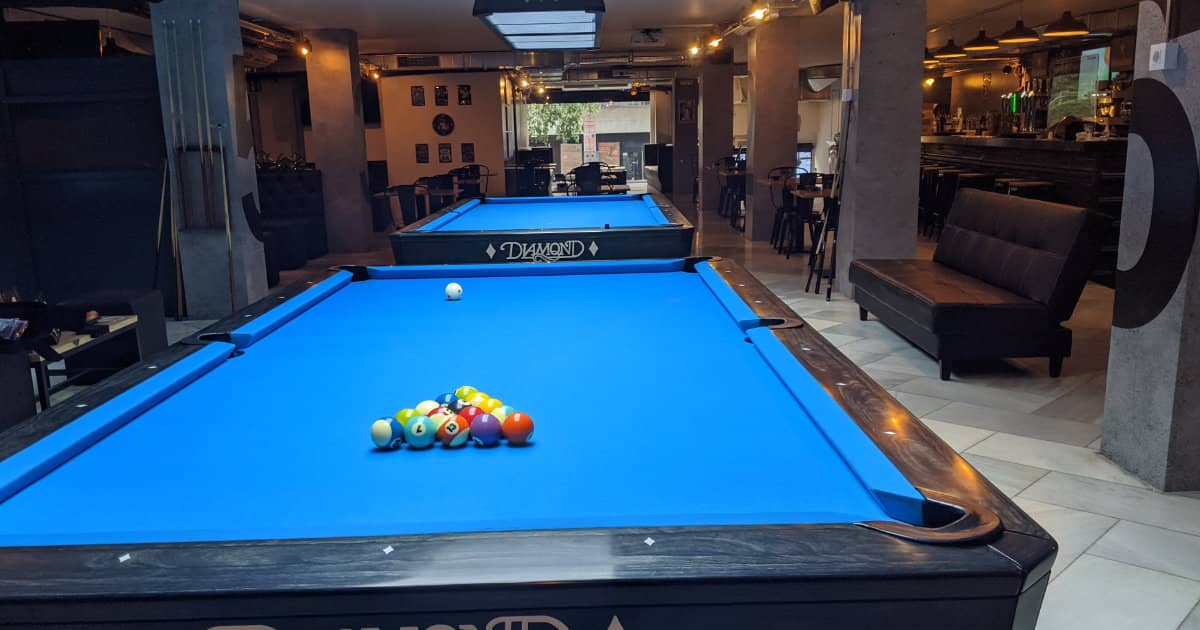 How much to charge for poolHourly rates, per-player pricing and a revenue calculator.
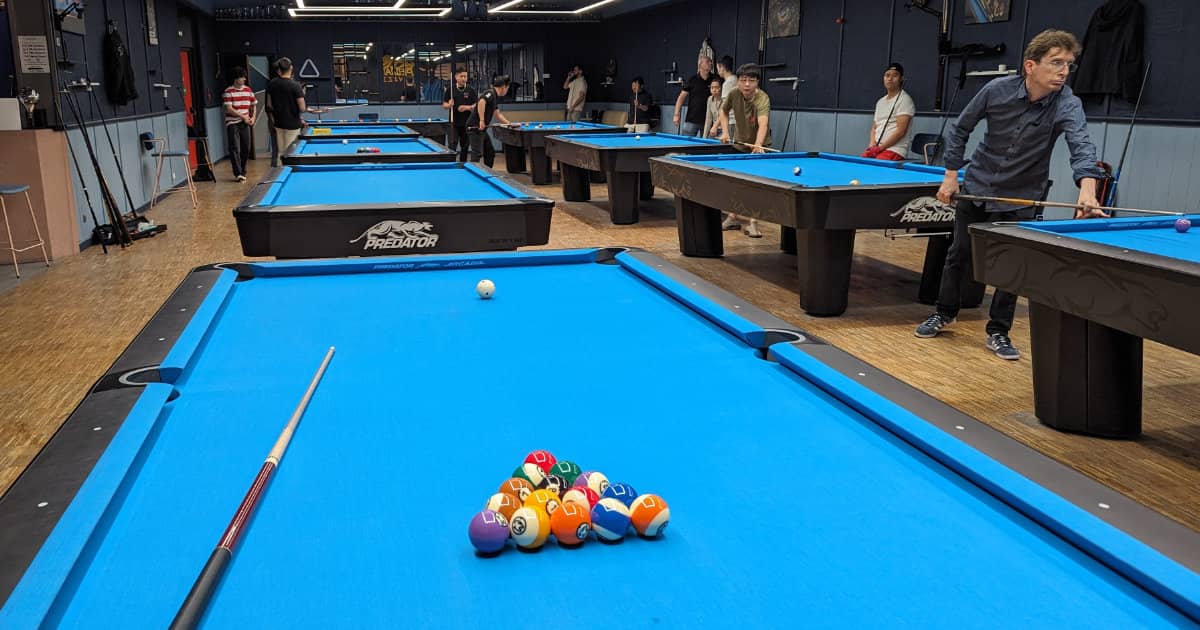 Running the roomCustomers, staff and house rules that protect your tables.
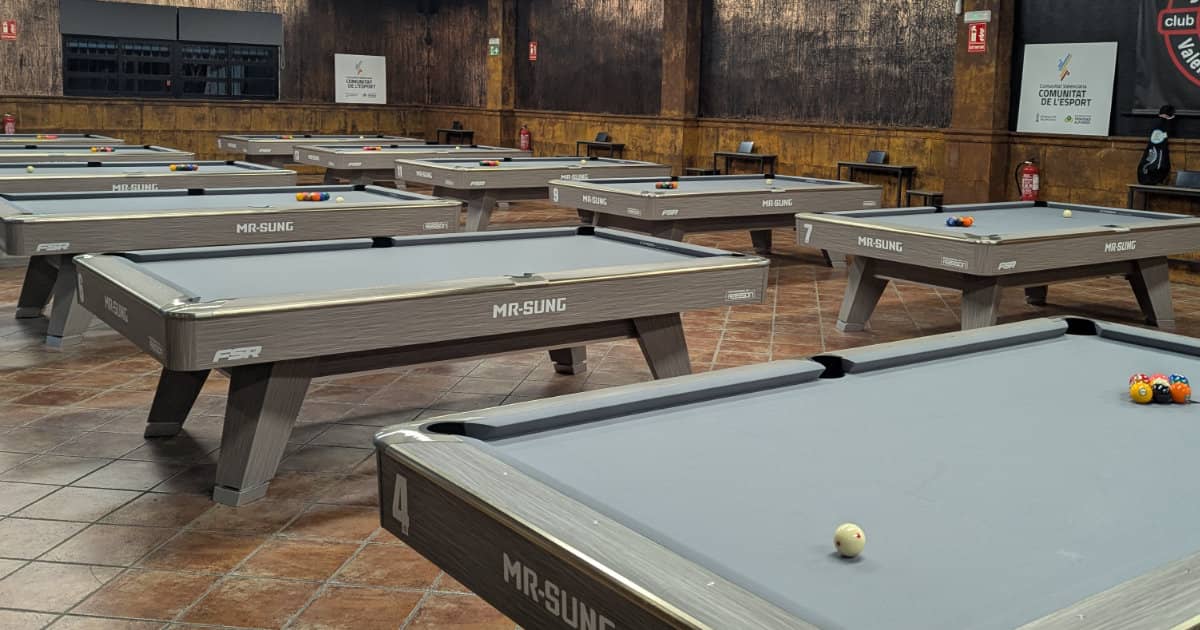 How to open a pool hallStart-up costs, licences and the steps in order.
Frequently asked questions
What is pool table light control?
A relay box wired to each table's overhead light and linked to your POS. Starting a table's timer switches its light on, and stopping the timer switches it off, so every lit table is being charged.
Can I use Square or Toast for a pool hall?
Many halls use a restaurant POS for the bar and kitchen. On its own it usually cannot run table timers with rates that change by players, time of day, league or membership, so owners add dedicated table software alongside it.
How much does pool hall software cost?
US owners report $3,500 to $8,500 for light-relay control panels and $4,500 to $9,000 for POS terminals, printers and handhelds. Software licences or subscriptions come on top and vary by vendor.
Do I need light control if I only have a few tables?
With a handful of tables a simple timer in your POS may be enough. As the room and the staff grow, owners find unrecorded time harder to spot by eye, which is when light control tends to pay for itself.
Can pool hall software handle leagues and memberships?
Dedicated packages usually support league rates, monthly passes and member discounts, and can block member rates on peak nights. Check this in a demo with your own price list.