
Why table time alone rarely pays the rent
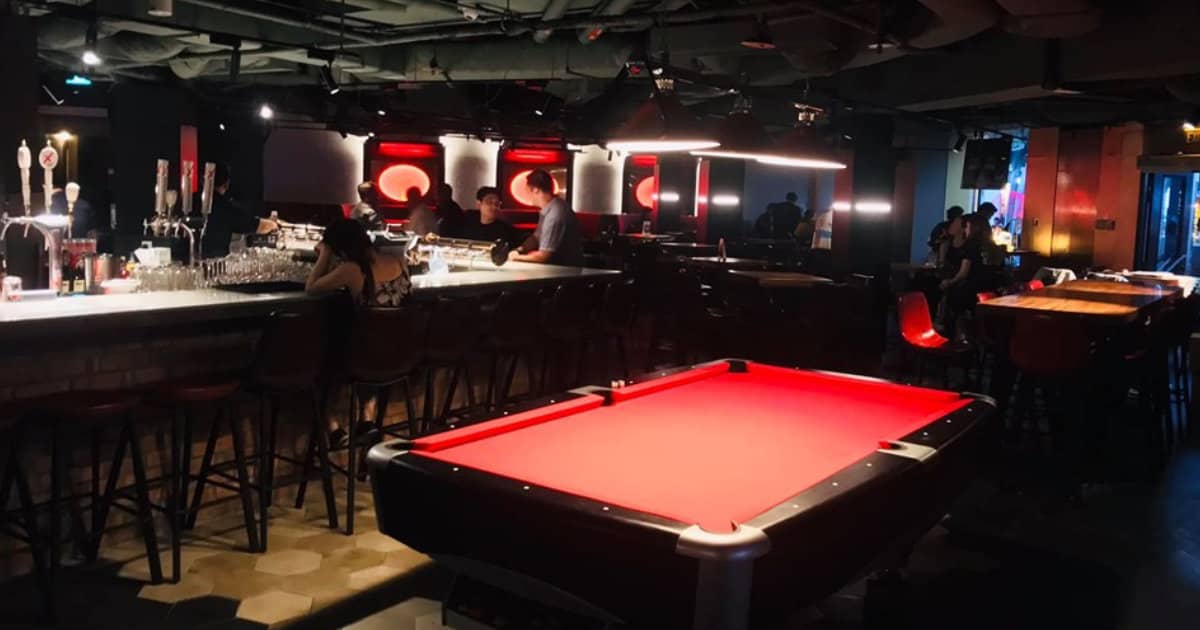
A pool table needs a lot of floor. Once you leave room for a full cue stroke on every side, plus seats and walkways, each table takes roughly 300–350 sq ft (28–33 m²). That space holds two to four players at a time, however busy the night is. See our space and layout guide.
The figures on this page come from testimonials of US pool hall owners and US industry pricing (2025–2026, in US dollars). Results vary a lot by city and country.
Here is the ceiling in numbers. Picture 20 tables rented at $9–$10 an hour, every one of them busy. That room takes about $180–$200 an hour in table time. Over a five-hour peak on a Friday or Saturday, roughly 9 PM to 2 AM, it adds up to around $900–$1,000.
Now picture a bar or club of similar size on the same night. Owners estimate it could welcome 300–500 guests. If each spends $30–$50, the takings land somewhere between $9,000 and $25,000.
Example only: US owner estimates in US dollars for a five-hour weekend peak. Your own rates, licence hours and local spending will change both bars.
Five-hour peak takings, same floor space
The gap is large, and it explains why so many dedicated pool rooms have turned into bar-and-billiards venues over the years. Treat your tables as the reason people come and stay. What they spend while they're with you is what covers the rent.
High rent is one of the reasons owners mention most often when a well-liked room closes. Before you sign a lease, make sure your plan has more than one income stream behind it. Our guide on how to open a pool hall covers leases and start-up costs.
The bar: where most of the profit comes from
Drinks are usually the highest-margin product in the building. US owners report gross margins of about 70–80% on alcohol, far more than a table can earn from the same floor space.
The bar also changes how long people stay. A group with drinks in hand tends to play another rack, order another round and worry less about the hourly rate. Some rooms do run without alcohol, such as private clubs or venues built for younger players. For a public pool hall, though, most owners describe a liquor licence as close to essential.
Give non-players a reason to walk in
Plan a proper bar area, set a little apart from the tables, with seats and TVs showing the big games. It welcomes guests who came to watch sport or meet friends, and many of them pick up a cue later in the evening.
- Drink ledges or high tables beside each table, so glasses stay off the rails.
- Table service at busy times, so players can order without stopping a game.
- Bar seats and TVs for guests who aren't playing.
General information, not legal or financial advice. Liquor licences, serving hours and costs differ by state and country. In some US states licences are limited in number and have to be bought from an existing holder, so check with a local professional before you plan around one.
Food: keep the menu simple
Food is the second big earner. In some well-run rooms it reaches 40–45% of total sales. A menu also keeps people in the building through dinner, so a group that came for an hour of pool stays for the evening.
The trap is complexity. A full kitchen brings equipment, cooks, insurance and a lot of cleaning. Owners who have been through it usually advise a short list of easy, high-margin items.
Why pizza works so well
A good pizza oven takes little space, the margins are healthy, the smell is pleasant and a slice is easy to eat between shots. Flatbreads, paninis and shareable snacks follow the same logic.
Think twice about the fryer
Heavy fryer menus put grease in the air, leave smells that settle into the room and raise your fit-out cost. Ventilation makes a big difference here. US cost research puts a Type 1 hood (needed for fryers, griddles and grills) at about $30,000–$70,000. A Type 2 hood, enough for pizza ovens and convection ovens, costs roughly $12,000–$22,000. Many owners start with the simpler kitchen and expand once food sales justify it. The full cost breakdown is in How to open a pool hall.
Groups picking a place for the night want to see more than tables. Claim your PoolTrips page to add a 10-photo gallery of your bar, food and seating, and list food and drinks in your amenities.
Small-footprint extras that add up
Some of the best earners per square foot sit against a wall or on the bar counter. They need little floor space and almost no extra staff time.
Extra income that takes little space
Cue lockers: set them up properly
Owners who rent lockers recommend formal, lockable units and a signed agreement with every renter, including a liability waiver that covers theft, fire and accidental damage. Keeping cues behind the bar without a proper system leaves you exposed if one goes missing.
General information, not legal advice. Rules on liability for customers' stored property differ by state and country, so ask a local lawyer or your insurer to review your locker agreement and waiver.
Darts and extras work best with people in the room. Promote ($29/month) puts your venue above non-promoted places in every PoolTrips search it appears in.
Keep the whole group happy
A night at a pool hall is usually a group decision. If half the group plays and the other half has nothing to do, the evening ends early and the group may choose somewhere else next time.
- Raised spectator seats with a clear view of the tables.
- TVs with live sport near the bar.
- Darts, a jukebox and a couple of arcade games.
- Food that's easy to share at a high table.
- A livelier area with 7-ft tables near the bar, and a calmer area with 9-ft tables for focused play.
Separate zones keep everyone comfortable. Players practising for a tournament get quieter tables and better light. Guests out for fun get music, TVs and the bar close by. Both groups matter to the room: casual groups often spend more on food and drinks, while regular players bring steady daytime visits and build your reputation.
Track your revenue mix
Split your sales into table time, bar, food and extras, and look at the split every week. The numbers tell you where to act.
- Table revenue per table, by day and by hour.
- Bar and food sales per guest.
- Food as a share of total sales.
- Extras: jukebox, darts, arcade, lockers and pro shop.
If table time is strong and the bar is quiet, players may not be getting served during games. If bar takings jump on league night, that night deserves an extra pair of hands. Many owners also see a dip in late summer, around August and September, when school restarts and the weather turns, so plan cash for it.
A pool hall POS that runs table timers and bar tabs together makes this tracking simple and stops table time going unrecorded. See POS & table-time software, and set your hourly rates with our pool table pricing guide.
More guides for pool hall owners
 How much to charge for poolPricing models, peak rates and a table-revenue calculator.
 How to open a pool hallStart-up costs, leases and the first steps.
 POS & table-time softwareTable timers, light control and sales tracking.
Frequently asked questions
How do pool halls make money?
From four main sources: table time, the bar, food and small extras such as jukeboxes, darts, arcade games, a pro shop, cue repairs and locker rentals. US owners report that the bar and food usually bring in most of the profit, because table time is capped by how many tables fit in the room.
What is a typical pool hall profit margin?
There's no single figure, because rent, staff costs and the revenue mix vary so much. What owners report consistently is a gross margin of about 70–80% on drinks, while table income stays limited by floor space. Rooms with a strong bar and a simple, high-margin menu tend to do best.
Is a bar with pool tables more profitable than a pool hall?
Often, yes, because a bar earns most of its money from drinks and uses a few tables as an attraction. A dedicated pool hall needs far more floor space per guest, so it relies on adding a bar, food and extras to reach similar takings.
Can a pool hall make money without a liquor licence?
Some do, such as private clubs, venues for younger players or rooms with little local competition. Most US owners see it as a big disadvantage for a public pool hall. Licence rules and costs differ widely, so check with your local authority early.
What are some extra ways to make money in a pool hall?
A digital jukebox, electronic darts and darts leagues, countertop arcade games, a pro shop focused on entry-level cues under $100, cue repairs (tips, ferrules, cleaning) and cue lockers at about $10–$20 a month.