
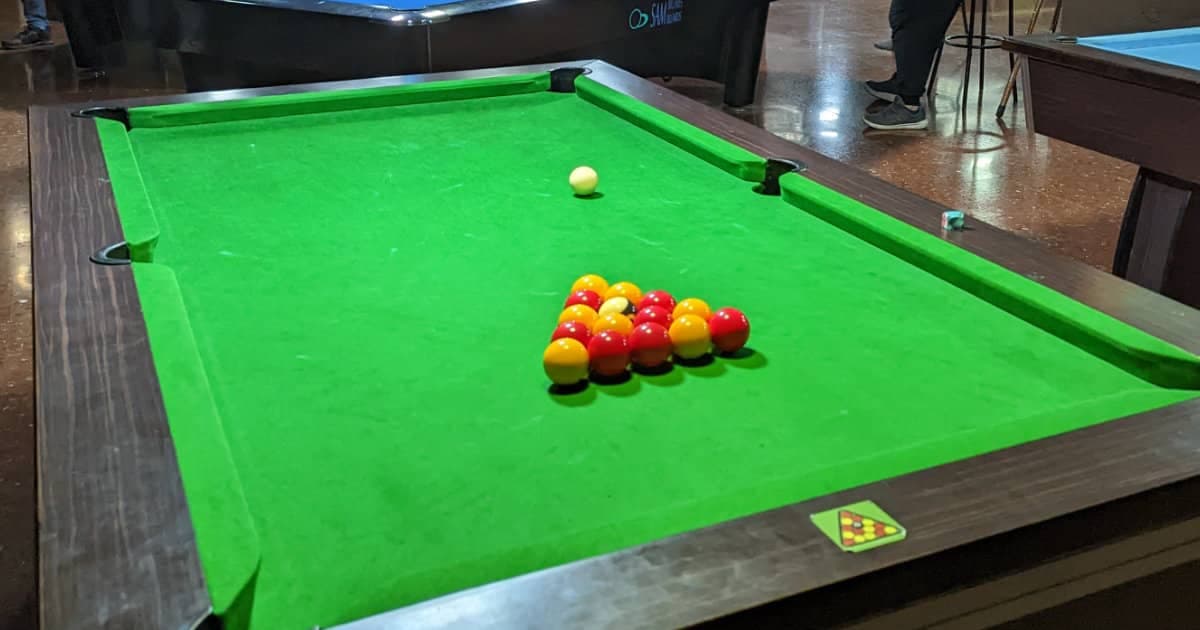
English pool at a glance
| Table sizes | 6 ft, 7 ft (most common, used in competition) |
| Playing surface (7 ft) | about 6 × 3 ft (183 × 91 cm) |
| Pockets | 6, narrow with rounded jaws |
| Balls | 7 red, 7 yellow, 1 black + white cue ball |
| Ball size | 51 mm (2 in); the cue ball is slightly smaller |
| Rule sets | Blackball (WEPF), International rules |
| Governing bodies | World Eightball Pool Federation (WEPF), national associations such as the English Pool Association (EPA) |
How the game works
English pool is a form of 8-ball. After the break, each player is given a colour group (reds or yellows). The goal is to pot all seven of your balls, then the black. Pot the black too early, or foul while potting it, and you lose the frame.
The big difference from American pool is what happens after a foul. Depending on the rule set, your opponent gets either two shots (two visits to the table) or ball in hand, which makes playing safe and laying snookers a big part of the game.
There are two main rule sets:
- Blackball rules: the WEPF rules used in world championships and many leagues. After a foul, your opponent gets two shots.
- International rules: an alternative set used in many competitions. After a foul, your opponent gets ball in hand.
The table
Most English pool tables are 7 feet long, the standard size for leagues and competitions. 6-foot tables are common in smaller pubs and homes. Some tables are coin-operated, others are "free play".
Compared with an American table, the playing surface is smaller, the cushions are rounded at the pockets and the pockets themselves are much tighter. Many tables use a slate bed with a fast, napped cloth.
Planning a table at home? A 7 ft table needs a room of about 5.4 × 4.5 m (17½ × 14½ ft) with standard 58 in cues and room for your backswing. See the details in our table sizes & room size guide.
Equipment
- Cue: the standard length is 58 in (147 cm), with a thinner shaft and an 8–9 mm tip, often one-piece or three-quarter jointed.
- Balls: 51 mm (2 in) reds, yellows and black. Unlike American pool, they aren't numbered.
- A smaller cue ball: a unique trait of English pool. The cue ball is usually slightly smaller than the object balls (often 1⅞ in / 48 mm), which changes how it reacts on screw and stun shots.
- Rest (bridge): allowed for awkward shots.
Where English pool is played
English pool is at home in the United Kingdom and Ireland, where pub leagues run almost every night of the week. It's also played widely in Australia, New Zealand, South Africa, Malta and France, where "billard anglais" or blackball has a strong league and championship scene.
Leagues and competitions
Thousands of local pub and club leagues form the grassroots of the game. Nationally and internationally, competitions are run by bodies such as the WEPF and national associations like the EPA, while Ultimate Pool runs a televised professional tour in the UK, played with its own competition format.
A short history
Pool tables became a fixture of British pubs from the 1960s and 70s, when smaller coin-operated tables replaced bigger billiard tables. The game developed its own rules, with tighter pockets and two-shot fouls, and grew into a national pastime with its own world championships.
Where to play English pool near you
We have 2 venues with English pool tables. Find one near you now.
Discover other table types
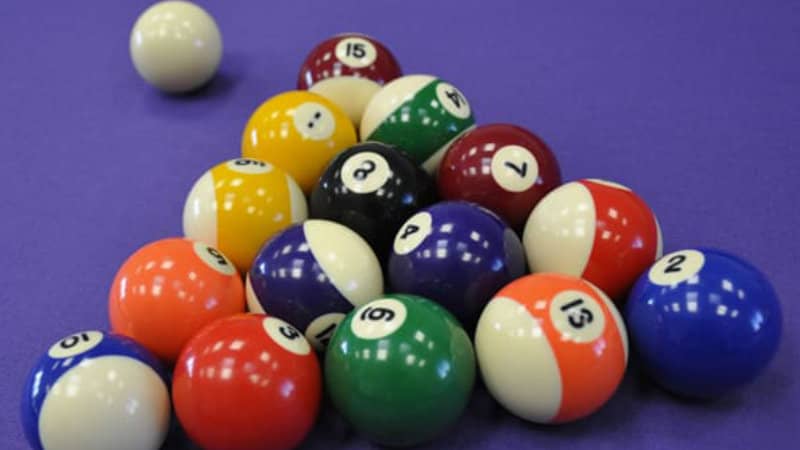 American poolbigger table, numbered balls, wider pockets.
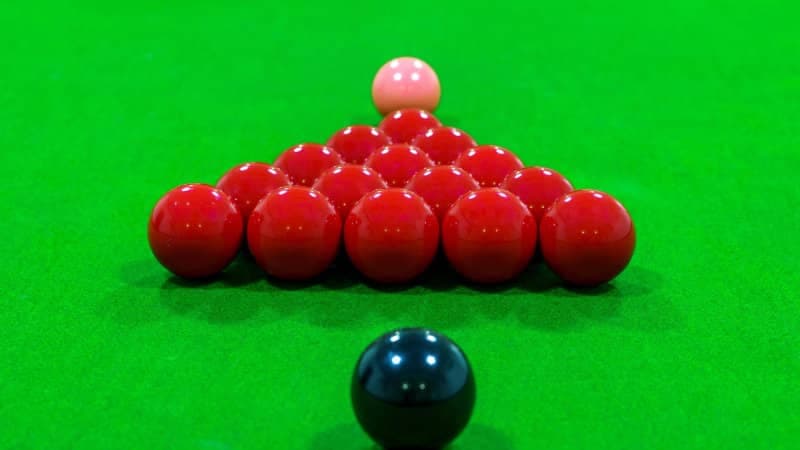 Snookerthe other great British cue sport.
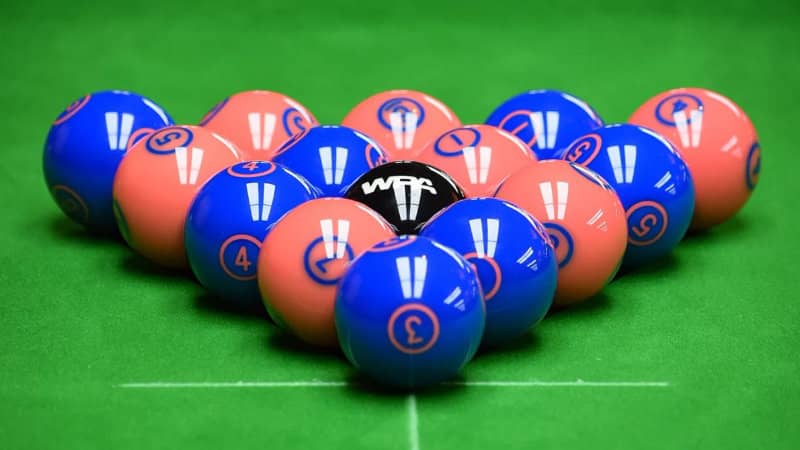 Heyball (Chinese pool)another hybrid with tight pockets.
Frequently asked questions
What's the difference between English and American pool?
English pool is played on a smaller table (usually 7 ft), with tighter, rounded pockets, smaller unnumbered red and yellow balls, and different foul rules. American pool uses numbered solids and stripes on a 7–9 ft table with wider pockets.
What size is an English pool table?
The standard competition size is 7 feet, with a playing surface of about 6 × 3 feet. 6-foot tables are also common.
What are blackball rules?
Blackball is the name of the English pool rules maintained by the World Eightball Pool Federation (WEPF). After a foul, the opponent gets two shots.
What is a "two-shot" foul?
Under blackball rules (and most pub rules), a foul gives your opponent two visits to the table. International rules give ball in hand instead.