
Two kinds of customers, both valuable
The advice on this page comes from testimonials of US pool hall owners (2025–2026). Customs, laws and customer habits vary by city and country.
Almost every pool hall serves two groups at once. Most of the day-to-day decisions on this page come down to keeping both of them happy in the same building.
Casual groups come for a night out: friends, couples, colleagues, birthday parties. Pool is part of the fun, along with music, drinks and food. They bring most of your food and drink spend, and they often prefer 7-ft or 8-ft tables close to the bar and the TVs.
Serious players come to play. They want 9-ft tables, clean cloth, good light and a calmer area where they can concentrate. They come often, enter your tournaments, join leagues and tell other players where the good tables are. Your reputation in the local pool scene is largely in their hands.
| What they look for | Casual groups | Serious players |
|---|---|---|
| Tables | 7-ft or 8-ft, easy to play | 9-ft, level, fast clean cloth |
| Where | Near the bar, TVs and music | A calmer area with space to cue |
| Lighting | Warm, social, part of the mood | Bright and even over the table, no shadows |
| Sound | Music and a lively buzz | Lower volume so they can focus |
| Food & drink | Rounds, sharing plates, pizza | Lighter orders spread over a long session |
| When | Evenings and weekends | Daytime, weeknights, league and tournament nights |
| What they give your room | Most of the food and drink revenue | Regular visits, tournaments, leagues and word of mouth |
One room, two zones
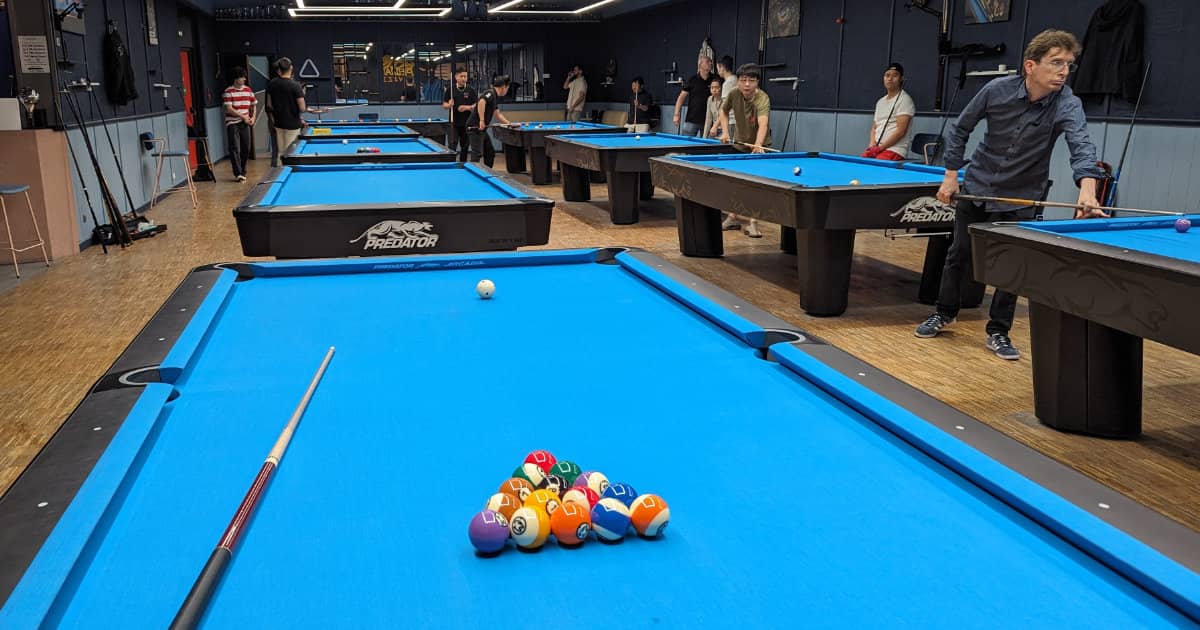
The simplest way to serve both groups is to give each its own area. Put the 7-ft and 8-ft tables near the bar, the TVs and the busiest part of the room. Place the 9-ft tables further back, with better light, more space and a little less noise. Each group gets the room it wants, and your best tables see less wear. Our guide to pool hall space and layout shows how to plan the floor and how much space each table needs.
Setting the atmosphere
The right pool hall atmosphere is lively enough for a night out and calm enough for a good game. Three things do most of the work.
- Music. Most owners keep music on, because casual groups expect it. A digital jukebox lets customers choose songs, while staff keep control of the volume. Many owners turn it down a notch near the 9-ft tables or on tournament nights.
- TVs. Screens showing the big games bring in people who come to watch with friends, and some of them end up renting a table. Place them around the bar side of the room so they don't distract players in the quieter zone.
- Lighting. Bright, even light over every table and softer light everywhere else. Good table lights are one of the first things serious players notice.
Smoking
Most owners recommend a no-smoking room. Smoke and ash mark the rails, settle on the cloth and light fittings, and shorten the life of your equipment. A smoke-free room also feels welcoming to more people, including families, groups and anyone who would otherwise stay away. Smoking laws differ from place to place, so check what applies to your venue.
General information, not legal advice. Rules on smoking and vaping indoors, on CCTV and on employment differ by state and country, so check with a local professional.
Pool hall house rules
Clear house rules protect your tables and make the room feel well run. The best ones are short, friendly and explain themselves. Post them where people pay and near the tables, and make sure staff can explain each one with a smile.
- Drinks and food stay off the table and rails. Use the side tables and drink rails provided. Wet glasses mark the wood and spills ruin cloth.
- No jump or massé shots on bar tables, unless staff say a table is set up for it. These shots can tear the cloth.
- Keep chalk off the cloth. Chalk cubes go on the rail edge or holder, face up.
- Keep the game moving when it's busy. When people are waiting for a table, a steady pace helps everyone get a turn.
- Who counts as a player. If you charge per person, say who is counted, for example everyone using the table or seated at it during busy hours.
- Respect other tables. Wait for a neighbour to finish a shot before you walk behind them or take yours.
Staff: training and owner presence
Pool hall staff training
Serving in a pool hall is a skill. Good servers learn to read the tables: they wait until a player has taken a shot before walking past or reaching over, and they keep drinks moving without interrupting a game. Train new staff on a quiet night, with a regular showing them how players move around a table.
Staff also enforce the house rules. Give them simple, friendly words for it, such as "Can I find you a spot for that drink?" When reminders are polite and consistent, customers rarely mind.
Being there
Many owners describe being on site most opening hours during the first years. It is tiring, and it is also how the room gets its standards. Owners say that stepping back too early, and leaving the room to run itself, is the most common reason rooms struggle. Tables get less care, service slips and regulars notice. If you do hire a manager, stay close to the numbers and visit often, especially at busy times.
Protecting table time and cash
Table time leaves no physical trace, so it needs its own controls. Most rooms use a few simple tools that protect the business and give staff clear, fair procedures.
- Light-control POS. The table light turns on only when a timer starts in the till, so every game is recorded.
- CCTV covering the tables, the bar and the till.
- Regular reconciliations. Compare table hours recorded with lights on and with cash taken, shift by shift.
See our guide to pool hall POS and table-time software for how these systems work.
Guests who come along without playing
Pool halls are social places, and friends often come along to watch or keep someone company. Most of the time that is good for the room. On busy nights, though, seats near the tables are limited.
A simple, posted policy keeps things clear and welcoming. A common approach is that during busy hours, anyone seated at a rented table counts as a player for per-person rates. Outside busy hours, guests are welcome to sit and watch. Put the policy on your rules poster and price board so staff never have to make it up on the spot.
Planning for seasonal dips
This seasonal pattern is what US owners report. School calendars, weather and holidays differ by country, so look at your own monthly figures to find your quiet months.
Owners often see a drop in August and September, when school restarts and routines change. It returns every year, so you can plan for it: start a new league session, launch a weekly tournament, or run daytime and early-week specials. Our guide to hosting pool leagues and tournaments shows how to fill the slower nights.
The way you run the room shows in your reviews. Claim your PoolTrips page to reply to reviews, keep your opening hours accurate and describe your house rules and league nights.
More guides for pool hall owners
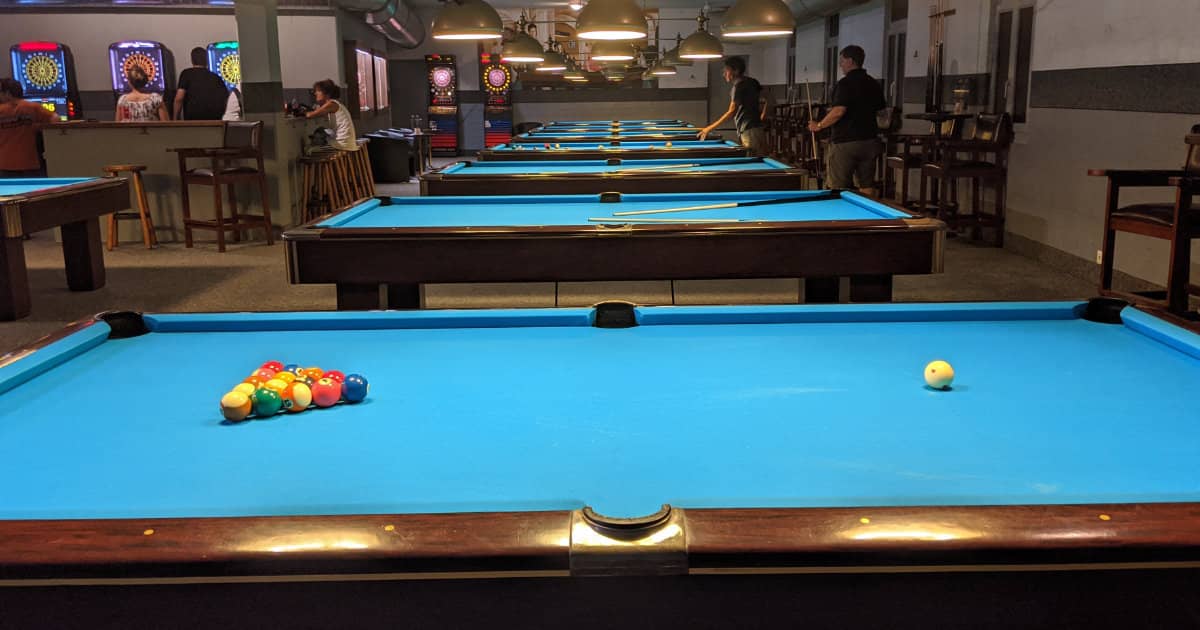 Pool hall space & layoutPlan your floor and see how many tables fit.
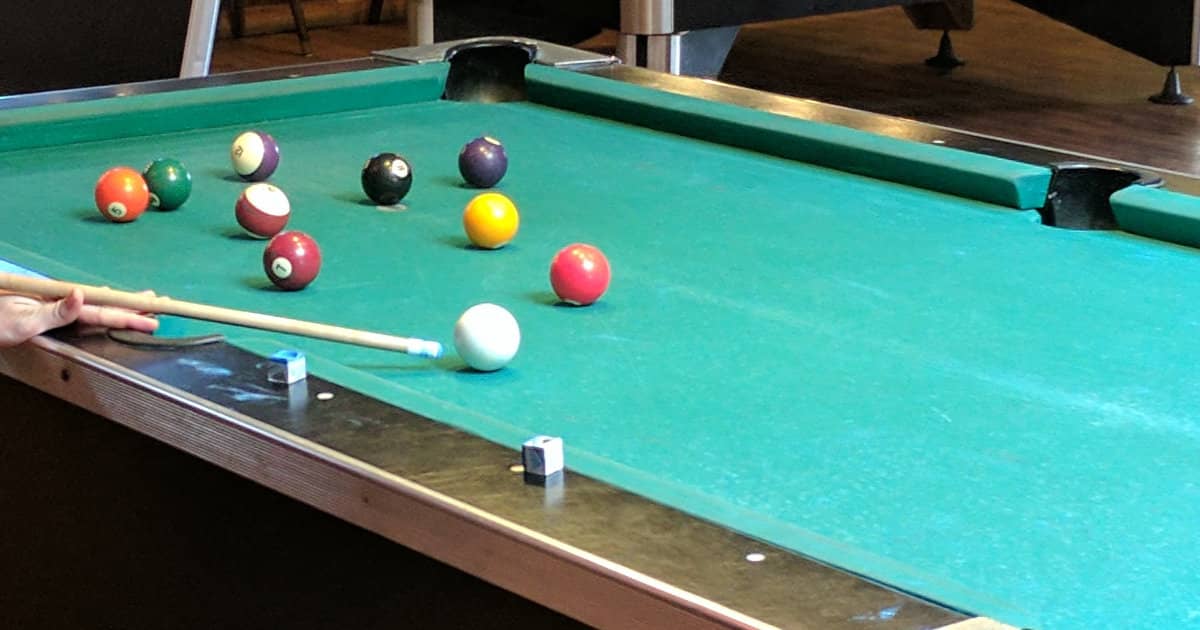 Table maintenanceKeep cloth, balls and rails in top shape.
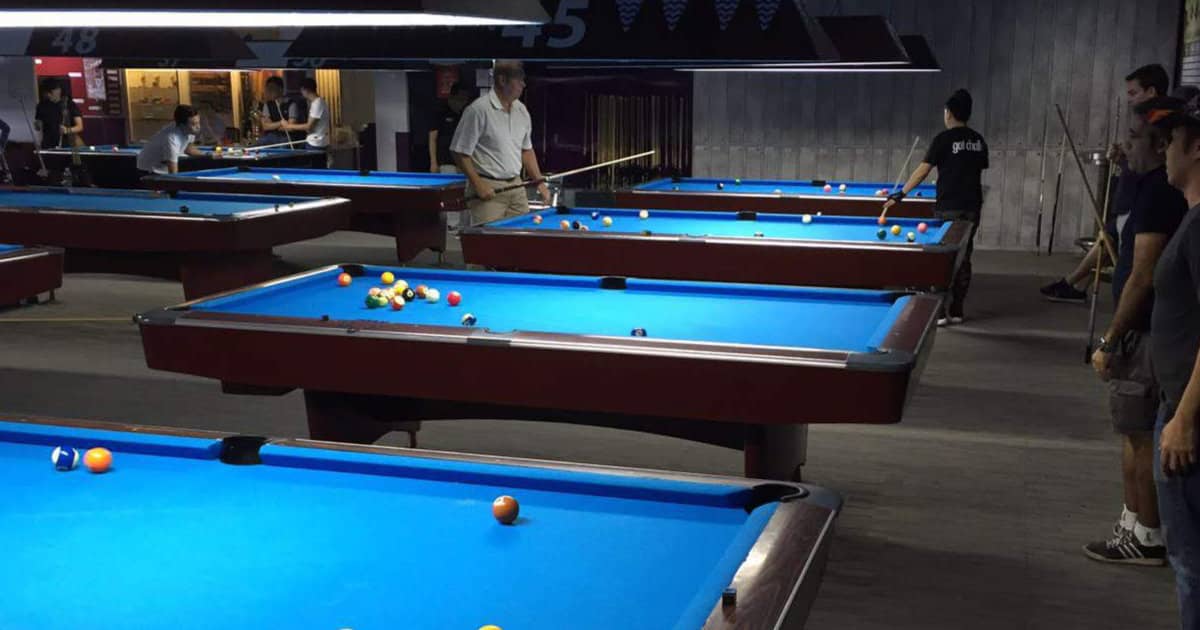 POS & table-time softwareTrack every minute of table time.
Frequently asked questions
What are common pool hall rules?
The most common are: no drinks or food on the table or rails, no jump or massé shots on bar tables, chalk kept off the cloth, a steady pace when people are waiting, and respect for players at other tables. Rooms that charge per person also post who counts as a player.
How do I stop customers putting drinks on the pool tables?
Make the right thing easy. Put drink rails or small high tables next to every pool table, post the rule clearly, and train staff to offer a spot for the glass in a friendly way. Consistent, polite reminders work better than warnings.
Should a pool hall play music?
Most owners say yes, because casual groups expect a lively room. A digital jukebox with volume controlled by staff keeps the mood up without making it hard for serious players to concentrate.
How many hours does a pool hall owner work?
Owners describe being on site most opening hours in the first years. Being present keeps standards high, helps you know your regulars and keeps an eye on table time and cash.
Why is my pool hall slow in September?
Many owners see a dip in August and September as school restarts and routines change. Starting a league session, a weekly tournament or early-week specials at that time helps fill the room.