
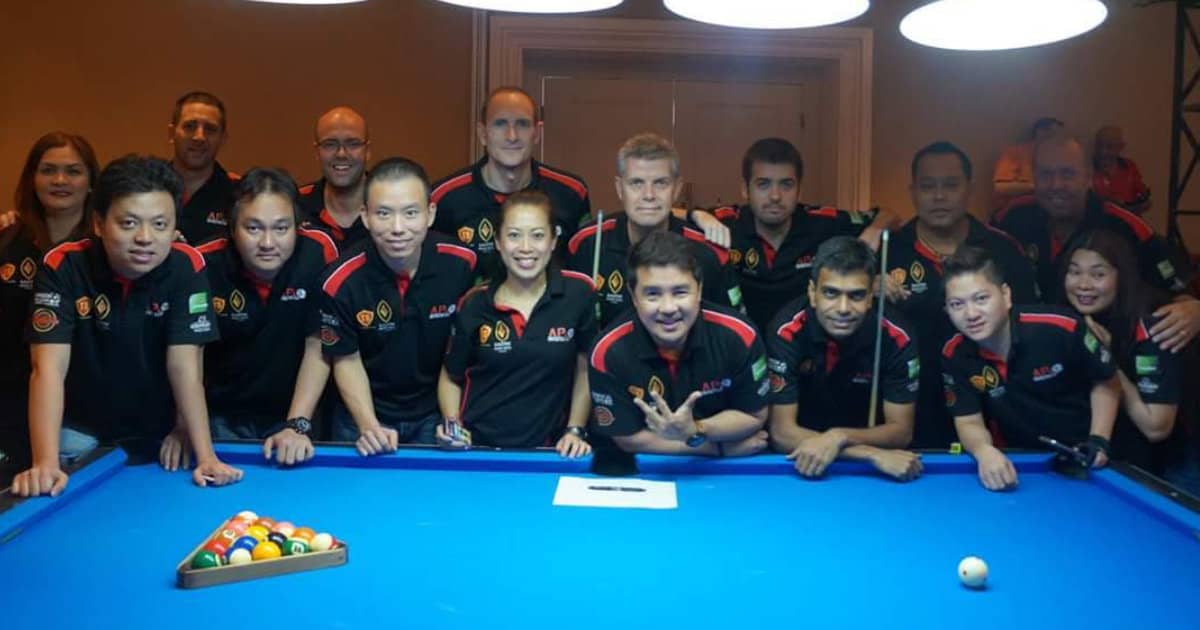
Why leagues matter for your room
The figures on this page come from testimonials of US pool hall owners (2025–2026, in US dollars). League formats, fees and player numbers vary by city and country.
Most pool rooms have the same weak spot: the start of the week. Monday to Wednesday evenings are usually the slowest nights, while rent, staff and electricity cost the same as on a Saturday.
Leagues fill exactly those nights. Matches are scheduled weeks in advance, so you know who is coming and roughly when. A busy league night can bring 40 to 60 players into the building at once, and many of them arrive early, stay after their match and come back to practise during the week.
Leagues also grow the game. They are one of the main ways new and younger players start playing regularly, and they bring more women into pool. A friendly team format is far less intimidating than walking up to a table of strong regulars. The players who join a league this year are the customers, tournament entrants and team captains of the next ten years.
How amateur pool leagues work
Most amateur players in North America play in a national or regional league system. The APA, BCA, TAP and VNEA are well-known examples. Each has its own formats, handicap rules and season calendar, but the basic structure is similar.
- Teams of players sign up for a session, a season of weekly matches with standings and playoffs.
- Players pay weekly dues to the league. Dues cover the league's running costs, standings, prize funds and the regional and national events players can qualify for.
- A local league operator runs the league in your area. Operators recruit teams, build the schedule, keep the standings and handle the link with the national organisation.
- The room provides the tables, the space and the food and drink service. Some rooms host one division, others host several nights a week.
To find a league, contact the operators in your area directly. Tell them how many tables you have, their sizes, which nights you can offer and what you can offer teams. Good lighting, level tables and enough room around each table matter a lot to operators choosing a home venue.
The trade-offs, seen from both sides
Hosting a pool league at a bar or pool hall is usually a good deal for everyone, but owners describe a few points that need care. Knowing them in advance makes the conversation with the operator easier.
- The dues go to the league. The money players pay each week funds the league itself, so the room's income comes from table fees and from food and drink.
- Some players drink little during matches. Many league players keep a clear head while they compete and order more after their match, or order soft drinks and food instead.
- Tables are busy. League tables are booked for the evening, so they are not available for walk-in groups who might rent by the hour.
Operators have their side too. They put in many unpaid evenings, their teams want good tables at a fair price, and they need a room that will still be there next season. Owners who treat the operator as a long-term partner, and talk openly about what the room needs to cover its costs, tend to keep their leagues for years.
Agree the terms up front
Most friction on league nights comes from things nobody discussed. Put the main points in writing before the session starts, even if it is a short email.
The table fee below is what US pool hall owners report charging. Local customs differ, and some rooms host leagues with no table fee at all in exchange for food and drink commitments.
- Table fee. Agree a fee per table or per hour. Many owners charge a modest per-table-hour fee that the team splits between players. Owners report around $6 per table-hour, which helps cover electricity, cloth wear and staff.
- Nights and tables. Which nights, how many tables, and which ones. Keep a few tables free for walk-in customers if you can.
- Start times and pace. A fixed start time and a target finish time so tables turn over and late matches do not run past closing.
- Practice time. A clear policy on practice before matches and on other days, for example a league-member rate on daytime table time.
- Food and drink offers for teams. A team pitcher price, a pizza deal or a happy hour during matches gives players a reason to order.
- Disputes. Who settles rules questions and scoring disputes. Usually this is the league operator or team captains, so your staff can stay out of it.
Players looking for a team or a weekly game search for venues with leagues. When you claim your page you can list your league and tournament details, including days, times, formats and entry fees.
Fill the week
The strongest rooms plan the whole week around who comes in when. Leagues take the early weeknights, a tournament gives competitive players a fixed night, and the weekend stays free for open play, which is when walk-in groups spend the most.
Example: a week planned around leagues and tournaments
- MonLeague nightfills a slow night
- TueLeague nightfills a slow night
- WedLeague or darts leaguefills a slow night
- ThuWeekly handicapped tournamentall levels welcome
- FriPeak open playwalk-in groups
- SatPeak open playwalk-in groups
- SunDaytime specials & lessonsfamilies, beginners
How to run a pool tournament
Tournaments bring your most dedicated players together and give everyone else something to watch. A weekly tournament gives regulars a fixed night to plan around, and a bigger monthly or seasonal event can fill the room for a whole day.
Why handicapped tournaments draw more players
In an open tournament, the same few strong players tend to win every week. Newer players soon stop entering because they expect to lose their entry fee in the first round. A handicapped pool tournament fixes this by giving each player a race length based on their rating, so every match is a fair contest.
Example: a handicapped race
FargoRate and tournament software
The most widely used rating system for handicapped tournaments is FargoRate. It gives each player a number based on their match results against other rated players. As a rough guide, a beginner might be around 450, a strong amateur around 650, and top professionals are above 800. Because ratings follow players from room to room, handicaps are harder to argue about.
Tournament software such as DigitalPool, Challonge and LeaguePoolStats handles brackets, race lengths and results, and some tools can pull ratings directly. Pick one that your players already know so sign-up on the night is quick.
Entry fees and what the room gains
In most rooms, tournament entry fees are paid back to players as prize money. The room's return comes from everything around the event. A big tournament keeps a full house in the building for 10 to 12 hours, and every player, spectator and friend who comes to watch is a customer for food and drink. Many owners add a meal deal for entrants and keep the kitchen open until the final.
Some events also run a Calcutta, an auction on players with its own prize pool. Rules on this kind of side pool vary a lot, so check local gambling laws before allowing one.
General information, not legal or financial advice. Rules on prize funds, entry fees, auctions and gambling differ by state and country, so check with a local professional.
With Promote, your venue appears above non-promoted venues in every PoolTrips search it shows up in, so players looking for a game in your city see your room first.
More guides for pool hall owners
 How pool halls make moneyWhere the profit comes from: food, drink, tables and extras.
 Running the roomCustomers, staff and house rules that keep tables in shape.
 How to market your pool hallSimple ways to bring new players through the door.
Frequently asked questions
How do I get a pool league to play at my bar?
Contact the league operators in your area directly. Most national leagues list local operators on their websites. Tell them how many tables you have, their sizes, which nights are free and what food and drink offers you can give teams. Good lighting and enough space around each table make your room more attractive.
Should I charge league players for table time?
Many owners do, at a modest rate. US owners report charging around $6 per table-hour, split between the players on each team. Whatever you choose, agree it with the operator before the session starts so nobody is surprised on the night.
How does a pool hall make money from a tournament?
Entry fees are usually paid back to players as prizes. The room earns from food and drink, because a big tournament keeps players, spectators and friends in the building for 10 to 12 hours. Meal deals for entrants help.
What is a handicapped pool tournament?
A tournament where each player's race length depends on their rating. For example, a player rated 450 might race to 5 while a player rated 650 races to 9. It gives newer players a real chance to win, which brings more entries.
What FargoRate is considered good?
As a rough guide, beginners are around 450, strong amateurs around 650 and top professionals above 800.